Accredited Temperature Mapping in Madison
ISO/IEC 17025 accredited temperature mapping in Madison. NIST-traceable results, documented uncertainty, and ITS-90 referenced measurement — delivered with a 5-day standard turnaround.
Temperature Mapping
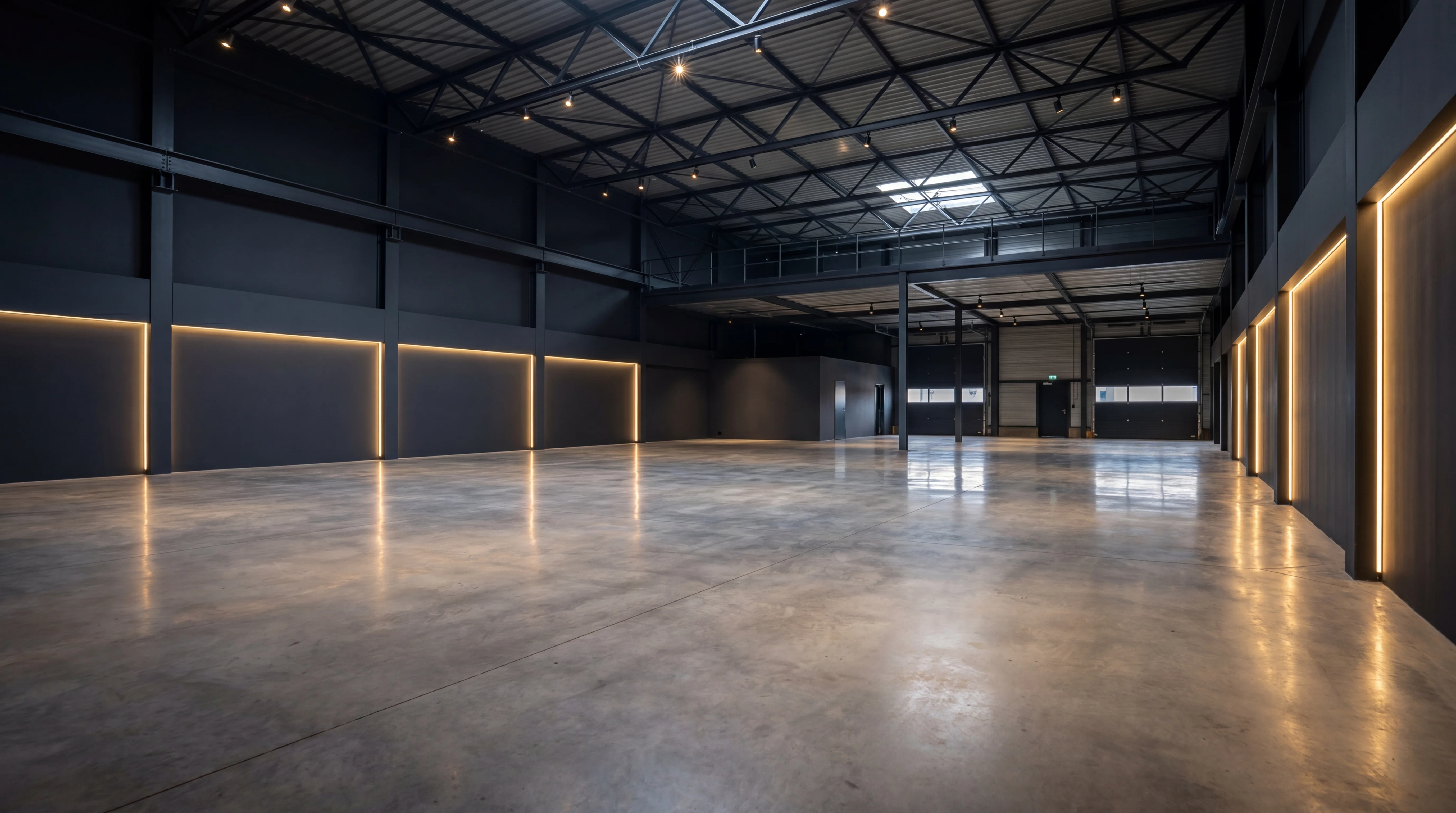
Temperature mapping is the systematic process of recording and documenting temperature distribution within a three-dimensional controlled environment. Also referred to as thermal mapping, the procedure involves placing calibrated sensors at strategic locations throughout a defined space—such as a warehouse, freezer, refrigerator, incubator, or oven—and collecting continuous data over a specified duration. The resulting dataset reveals the complete thermal profile of the environment, identifying hot spots, cold spots, and zones prone to temperature variability.
Temperature mapping is distinct from routine temperature monitoring. Where monitoring tracks a single point over time, mapping captures spatial variation across the entire volume simultaneously. This distinction is critical for regulated industries where product integrity depends on uniform conditions throughout a storage or processing area. Data collected during a mapping study is analyzed to calculate mean kinetic temperature (MKT), assess uniformity against acceptance criteria, and determine whether the environment is qualified for its intended use. All sensors used during the study are calibrated to NIST-traceable standards with documented accuracy of ±0.5 °C or better, as required by WHO Technical Report Series No. 961, Annex 9 and USP General Chapter <1079>.
Process, Standards & Applications
The Temperature Mapping Process
Step 1: Planning and Protocol Development
A detailed mapping protocol is developed that defines the scope, objectives, acceptance criteria, and duration of the study. The protocol identifies the specific environment to be mapped, specifies the number and type of sensors required, and establishes the data collection schedule. All team members involved in the study are identified and documented for traceability purposes.
Step 2: Site Survey and Risk Assessment
A physical site survey is conducted to assess the layout of the area, identify potential sources of thermal variability—such as HVAC vents, doorways, loading docks, and external walls—and determine the optimal sensor placement strategy. Risk assessment considers factors including seasonal temperature extremes, equipment heat loads, and traffic patterns that affect door opening frequency.
Step 3: Equipment Calibration and Sensor Placement
All data loggers and sensors undergo NIST-traceable multi-point calibration before deployment. Sensors are placed at predetermined locations based on a documented rationale that addresses regulatory requirements and the physical characteristics of the space. Placement includes corners at multiple heights, the geometric center, areas near doors and vents, and locations adjacent to existing monitoring probes. WHO guidelines recommend one logger every 5 to 10 meters depending on facility layout.
Step 4: Data Collection
Temperature data is recorded at intervals of no more than 15 minutes for a minimum duration defined by the protocol—typically 24 to 72 hours for chamber-level studies, and spanning two full workdays and two full weekend days for warehouse-level studies. Data collection captures normal operating conditions, including scheduled door openings, loading and unloading activity, and HVAC cycling.
Step 5: Data Analysis and Report Generation
Collected data is analyzed to identify the warmest and coldest zones, calculate temperature uniformity, determine mean kinetic temperature where applicable, and evaluate compliance against predefined acceptance criteria. Results are presented as both statistical summaries and graphical representations. A comprehensive mapping report is generated that documents the protocol, sensor placement rationale, raw data, analysis, conclusions, and any corrective actions required. All records are maintained in compliance with 21 CFR Part 11 requirements for electronic data integrity.
Compliance & Standards
Temperature mapping studies are governed by a framework of international standards, regulatory requirements, and industry guidelines that define how studies are planned, executed, and documented. ISO/IEC 17025:2017 establishes the competence requirements for laboratories performing calibration of the sensors and data loggers used in mapping studies, ensuring measurement traceability and documented uncertainty.
WHO Technical Report Series No. 961, Annex 9, Supplement 8 provides the globally recognized benchmark for temperature mapping of pharmaceutical storage areas, specifying sensor placement protocols, data collection durations, calibration requirements, and acceptance criteria. USP General Chapter <1079> addresses temperature mapping requirements for storage and distribution of finished pharmaceutical products, including mean kinetic temperature calculation and excursion management.
In the United States, 21 CFR Parts 210 and 211 require that storage conditions preserve product quality and safety, with 21 CFR Part 11 governing the integrity of electronic records generated during mapping studies. EU Good Distribution Practice (GDP) guidelines mandate formal qualification of storage areas prior to use, including seasonal temperature mapping studies. For industrial thermal processing, AMS2750 and CQI-9 establish pyrometric requirements for ovens and furnaces, while ASTM A991 defines the standard test method for conducting temperature uniformity surveys on heat treatment furnaces. All mapping studies performed under ISO/IEC 17025 accreditation are conducted with NIST-traceable instrumentation and documented measurement uncertainty.
Industry Applications
Temperature mapping is essential across any industry where product quality, safety, or regulatory compliance depends on controlled thermal environments. In the pharmaceutical and biotechnology sectors, mapping validates storage conditions for drugs, vaccines, biologics, and clinical trial materials stored at controlled room temperature (15–25 °C), refrigerated conditions (2–8 °C), and frozen conditions (−20 °C and −80 °C). Compliance with FDA cGMP, EU GDP, and WHO guidelines requires documented thermal qualification of every storage area.
The food and beverage industry relies on temperature mapping to validate cold storage facilities, refrigerated warehouses, and processing environments in accordance with FSMA, HACCP, and FDA food safety regulations. Healthcare and clinical laboratory facilities require mapping for blood banks, tissue storage, reagent refrigerators, and incubators used in diagnostic testing, with accreditation bodies such as CAP and CLIA mandating documented temperature qualification.
In aerospace and automotive manufacturing, temperature uniformity surveys of heat treatment ovens and furnaces are required by AMS2750 and CQI-9 to ensure metallurgical consistency and part integrity. The chemical and electronics industries require validated thermal environments for stability testing, environmental chambers, and cleanroom storage. Logistics and distribution companies performing cold chain transportation require mapping of shipping containers, refrigerated trucks, and distribution center staging areas to maintain chain-of-custody temperature documentation from manufacturer to end user.
Supported Instrument Variants
Freezer Mapping and Validation
Freezer mapping and validation establishes documented evidence that a freezer unit maintains uniform temperature throughout its qualified operating zone. Standard freezers operating at −20 °C and ultra-low temperature (ULT) freezers operating at −80 °C or below are mapped using calibrated NIST-traceable sensors placed at defined locations including all corners, the geometric center, areas near the door seal, and adjacent to air circulation vents.
The validation process follows a structured qualification sequence: Installation Qualification (IQ) confirms correct equipment setup, Operational Qualification (OQ) verifies performance of the empty chamber against specification, and Performance Qualification (PQ) demonstrates consistent operation under loaded conditions over a minimum 24-hour period. Door-opening recovery tests are incorporated to simulate real-world sample retrieval and confirm the unit returns to setpoint within acceptable timeframes. Regulatory standards from CAP, CLIA, and FDA 21 CFR Parts 210 and 211 require documented freezer qualification for facilities storing pharmaceuticals, biologics, and biospecimens. Revalidation is performed on a defined schedule, typically every one to three years, or following any equipment modification, relocation, or significant repair.
Refrigerator Mapping and Validation
Refrigerator mapping and validation documents that a refrigerated unit consistently maintains its target temperature range—most commonly 2 °C to 8 °C for pharmaceutical storage—across the entire usable volume. NIST-traceable calibrated sensors are positioned at corners, center points, near the door, and adjacent to cooling elements to capture the complete thermal profile under both empty-chamber and loaded conditions.
Operational Qualification mapping is performed as a dry run before the unit enters service, testing the regulation system's ability to hold the 2–8 °C range uniformly. Performance Qualification follows with a full product load in place, confirming that temperature remains within specification during normal operational cycles including compressor cycling and door openings. Temperatures are recorded at intervals no greater than 15 minutes for a minimum of 24 hours. Even in the coldest zones, temperatures are verified to remain above 2 °C, as freezing damages many temperature-sensitive medicines and vaccines. Compliance is assessed against USP <1079>, WHO Annex 9, and 21 CFR Parts 210 and 211. Mapping results identify the optimal product storage locations and any areas that fall outside acceptance criteria.
Incubator Mapping and Validation
Incubator mapping and validation confirms that laboratory incubators—including CO2 incubators, tri-gas incubators, BOD incubators, and environmental growth chambers—maintain uniform temperature, and where applicable, consistent CO2 concentration and relative humidity throughout the chamber volume. This validation is critical for cell culture, microbiological research, and diagnostic testing where even minor thermal deviations compromise experimental results.
The qualification process follows the IQ/OQ/PQ framework. During Operational Qualification, temperature mapping of the empty chamber is performed to confirm uniformity within specified limits at all sensor locations. Performance Qualification repeats the mapping under full-load conditions for a minimum of 24 hours. For CO2 and tri-gas incubators, a minimum of two to three CO2 sensors and two to three relative humidity sensors are placed throughout the chamber in addition to temperature probes. Calibration of all sensors is NIST-traceable with documented measurement uncertainty. Incubator validation is required for compliance with Good Laboratory Practice (GLP), 21 CFR Part 58, and accreditation standards from organizations including CAP. Revalidation is performed following any service event, relocation, or on a periodic schedule defined by the facility's quality management system.
Oven Temperature Mapping and Validation
Oven temperature mapping—commonly referred to as a Temperature Uniformity Survey (TUS)—establishes the heat distribution characteristics throughout an oven or furnace system and identifies the qualified work zone within it. Industrial ovens including batch ovens, conveyor ovens, curing ovens, vacuum ovens, and heat treatment furnaces are mapped using calibrated thermocouples positioned at defined grid points throughout the operating volume.
ASTM A991 provides the standard test method for conducting temperature uniformity surveys on furnaces used in steel heat treatment, specifying that temperatures are recorded at intervals of five minutes or fewer for a minimum of 30 minutes after thermal equilibrium is achieved. AMS2750 and CQI-9, required in aerospace and automotive manufacturing, establish comprehensive pyrometric requirements covering temperature sensors, instrumentation, system accuracy tests, and TUS protocols. These specifications define allowable temperature uniformity tolerances based on the thermal process classification. Mapping is performed at each operating setpoint across the full range of the oven's qualified temperatures. Results determine the boundaries of the qualified work zone where temperature uniformity meets specification. TUS revalidation frequency is defined by the applicable specification—typically quarterly, semi-annually, or annually depending on furnace classification and use.
Warehouse Temperature Mapping
Warehouse temperature mapping creates a detailed thermal profile of large-scale storage facilities to identify risk areas for temperature-sensitive products and verify compliance with regulatory storage requirements. Sensors are deployed throughout the warehouse at a density of one logger per 5 to 10 meters of floor space, with three sensors placed at top, middle, and bottom heights at each corner location and at the geometric center of the storage area. Additional sensors are placed adjacent to existing monitoring probes, HVAC outlets, loading dock doors, and external walls.
Data collection spans a minimum of two full workdays and two full weekend days to capture thermal behavior under varying operational conditions including shipping and receiving activity, HVAC cycling, and door traffic. Seasonal mapping studies are conducted during both the hottest and coldest months to establish worst-case thermal profiles. WHO Technical Report Series No. 961, Annex 9 and EU GDP guidelines require formal qualification of pharmaceutical warehouse storage areas prior to use, with re-mapping performed every two to three years or following significant facility modifications. Results identify compliant storage zones, determine optimal product placement, and define areas requiring additional environmental controls or monitoring.
Cold Storage Temperature Mapping
Cold storage temperature mapping validates that refrigerated rooms, walk-in coolers, cold rooms, and temperature-controlled distribution areas maintain specified conditions uniformly throughout the storage volume. These environments typically operate at controlled cold (2–8 °C) or frozen (−20 °C to −25 °C) temperatures and serve pharmaceutical, food safety, and biorepository applications where temperature excursions directly compromise product integrity.
Mapping studies are conducted using NIST-traceable calibrated data loggers positioned to capture thermal gradients caused by refrigeration unit cycling, defrost events, door openings, and product loading patterns. The qualification protocol addresses both empty-chamber and loaded conditions, with data collected continuously for a minimum of 24 to 72 hours depending on room volume and regulatory requirements. Cold storage facilities supporting pharmaceutical operations are mapped in accordance with WHO Annex 9, USP <1079>, and 21 CFR Parts 210 and 211. Mean kinetic temperature is calculated for each sensor location to assess cumulative thermal exposure. The mapping report documents compliant and non-compliant zones, recovery time following door openings or defrost cycles, and recommendations for product placement and alarm setpoint configuration.
Additional Variants Supported
- · data loggers
- · wireless data loggers
- · thermocouple probes
- · RTD sensors
- · thermistor sensors
- · infrared thermometers
- · NIST-traceable temperature probes
- · temperature sensor arrays
- · data acquisition systems
- · humidity and temperature combination sensors
- · standard freezers (-20°C)
- · ultra-low temperature freezers (-80°C)
- · pharmaceutical refrigerators (2–8°C)
- · laboratory refrigerators
- · CO2 incubators
- · tri-gas incubators
- · cooled/refrigerated incubators
- · BOD incubators
- · shaker incubators
- · hybridization incubators
- · plant growth chambers
- · insect growth chambers
- · general lab incubators
- · dry baths
- · environmental test chambers
- · batch ovens
- · conveyor/continuous ovens
- · tunnel ovens
- · curing ovens
- · drying ovens
- · convection ovens
- · infrared ovens
- · vacuum ovens
- · laboratory ovens
- · annealing ovens
- · powder coating ovens
- · heat treating ovens
- · baking ovens
- · rotary ovens
- · brazing ovens
- · shipping containers and trucks
- · refrigerated rooms
- · distribution centers
Madison Industry Demand
Temperature Calibration Demand in Madison, WI
Madison and the surrounding Dane County area host a concentration of biopharmaceutical, life sciences, and advanced manufacturing operations that depend on accurate temperature measurement. Catalent Biologics operates a drug substance manufacturing facility in Madison featuring bioreactors ranging from 50- to 4,000-liter scale, where precise thermal monitoring is essential to product integrity. Promega Corporation, headquartered in Madison, manufactures biotechnology reagents and enzymes across multiple campus facilities, including the Chappelle Manufacturing Center, that require tightly controlled thermal environments. Sub-Zero Group, Inc. produces premium refrigeration and cooking appliances at its Fitchburg manufacturing campus, where production-line temperature verification is integral to quality assurance.
Arrowhead Pharmaceuticals is constructing a $250 million manufacturing facility in nearby Verona, further expanding the region's biopharmaceutical footprint. Exact Sciences, a molecular diagnostics company also based in Madison, relies on temperature-sensitive laboratory processes for its cancer screening products. These operations collectively generate sustained demand for NIST-traceable temperature calibration across thermocouples, RTDs, and digital reference thermometers.
Local Compliance Requirements
Biopharmaceutical manufacturers in the Madison area, including Catalent and Promega, are subject to FDA 21 CFR Parts 210 and 211, which mandate that temperature-measuring instruments used in drug manufacturing are calibrated at suitable intervals using certified reference standards. Facilities handling biological products must also comply with FDA 21 CFR Part 600 requirements for environmental monitoring and equipment qualification.
Food processing and cold-chain operations in the region are governed by FDA FSMA regulations and USDA FSIS directives that require documented calibration of temperature monitoring equipment. Advanced manufacturers such as Sub-Zero Group must meet ISO 9001 quality management standards, which include mandatory calibration of measurement instruments at defined intervals traceable to national or international standards. All calibration activities supporting these compliance frameworks are performed in accordance with ISO/IEC 17025 accreditation requirements, ensuring measurement uncertainty is documented and traceability to ITS-90 and NIST standards is maintained.